



Blog
Does Phentermine Burn Fat or Just Suppress Appetite?

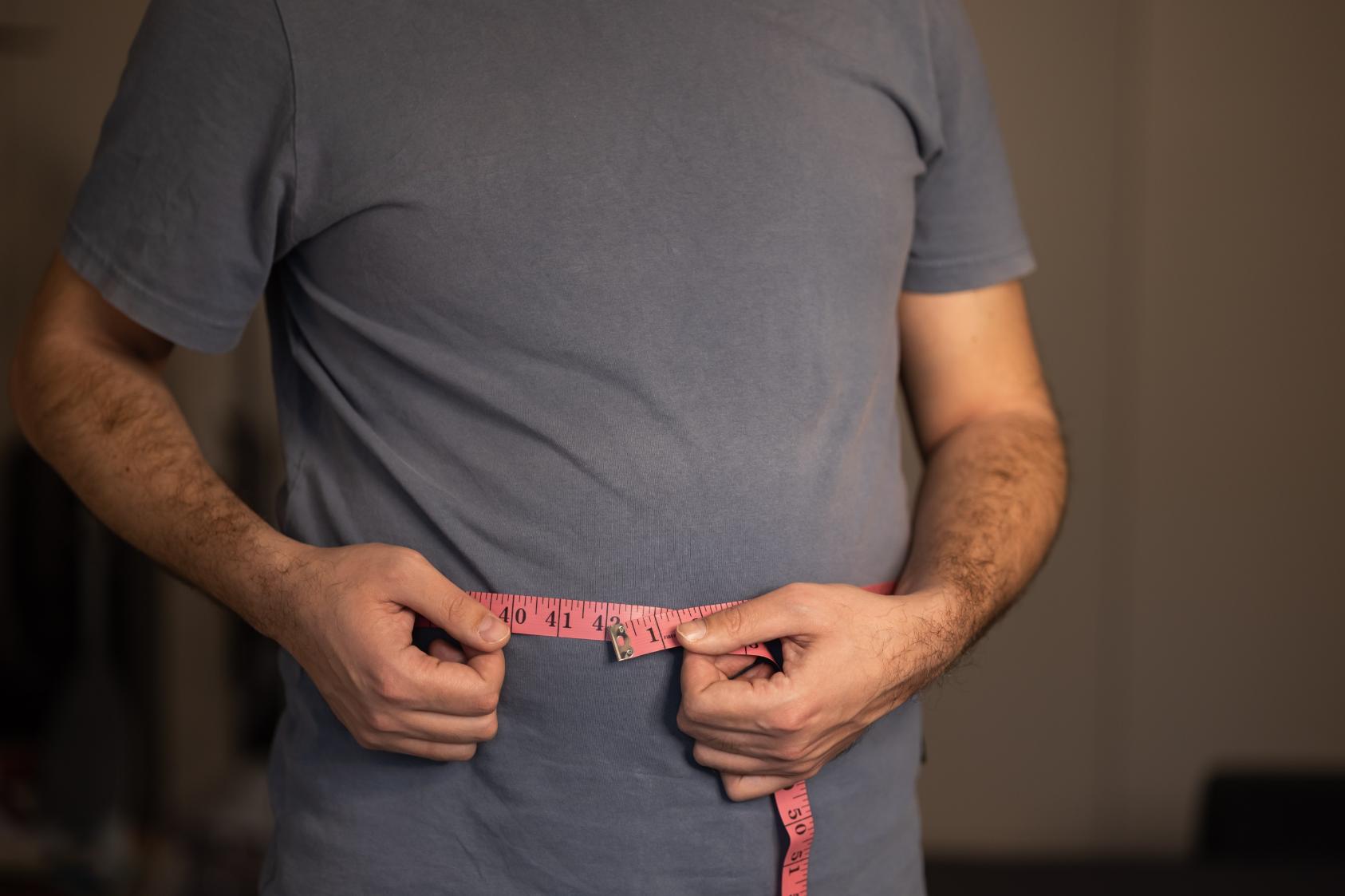
If you’ve ever searched for effective ways to lose weight, you’ve probably come across phentermine. It’s one of the most well-known prescription medications for weight loss, often praised for its ability to help people shed pounds quickly. But one question remains at the top of many people’s minds: Does phentermine burn fat or just suppress appetite? Understanding how this medication works can help you set realistic expectations and use it safely and effectively under medical supervision.
What Is Phentermine?
Phentermine is a prescription medication that has been approved by the FDA for short-term weight management. It’s typically prescribed for individuals who are obese or overweight and have health risks related to their weight, such as high blood pressure or diabetes. Structurally, phentermine is similar to an amphetamine and works primarily as a stimulant.
It affects the central nervous system by increasing the levels of certain neurotransmitters, including norepinephrine, dopamine, and serotonin. These chemicals play a role in mood regulation and appetite control, helping you feel less hungry and more energetic.
Appetite Suppression: The Primary Mechanism
The main way phentermine aids in weight loss is by suppressing appetite. When you take phentermine, it stimulates the hypothalamus, the part of your brain responsible for regulating hunger. This stimulation reduces your feelings of hunger, helping you consume fewer calories throughout the day.
By eating less, your body begins to use stored fat as an energy source, which contributes to weight loss over time. Appetite suppression is especially useful for those who struggle with portion control or frequent snacking. By naturally eating less, many patients find it easier to stick to a calorie-restricted diet. Over time, this reduced calorie intake leads to a calorie deficit, which is essential for fat loss.
Does Phentermine Directly Burn Fat?
While phentermine helps you lose fat by reducing calorie intake, it does not directly burn fat. Instead, it helps create the conditions necessary for fat burning to occur. Think of it as a supportive tool rather than a fat-melting pill.
Weight loss occurs when your body uses more calories than it consumes, leading to the breakdown of fat stores for energy. Phentermine makes this process easier by reducing appetite and increasing energy levels, which often helps people become more active.
The combination of eating less and moving more leads to faster results than relying on diet or exercise alone. However, without a calorie deficit, phentermine alone will not cause fat loss.
How Phentermine Boosts Energy and Metabolism
Although phentermine doesn’t directly burn fat, it may have a mild effect on your metabolism. Because it’s a stimulant, it can increase your heart rate and energy levels. This often helps users feel more motivated and alert, making it easier to incorporate physical activity into their daily routines.
More activity means more calories burned, which indirectly contributes to fat loss. Some people also notice a slight thermogenic effect, meaning the body burns slightly more calories at rest due to the stimulant properties of the medication. However, this effect is minimal compared to the calorie reduction achieved through appetite suppression and exercise.
Phentermine and Lifestyle Changes: The Key to Lasting Results
It’s important to remember that phentermine is not a magic solution. While it can help jumpstart weight loss, long-term success depends on healthy lifestyle changes. To maintain results after discontinuing the medication, users should establish consistent habits that promote a healthy weight.
A balanced diet rich in lean proteins, whole grains, fruits, and vegetables supports fat loss and provides sustained energy. Combining this with regular exercise strengthens your metabolism and helps preserve lean muscle mass. Building these habits ensures that once the medication is stopped, your body continues to burn fat efficiently.
The most successful patients use phentermine as part of a broader plan that includes medical guidance, nutritional counseling, and physical activity.
Common Misconceptions About Phentermine
There are several myths surrounding phentermine, and it’s essential to separate fact from fiction.
Myth #1: Phentermine burns fat directly.
In reality, phentermine works by reducing appetite and increasing energy, allowing you to consume fewer calories and move more.
Myth #2: You can take phentermine indefinitely.
Phentermine is typically prescribed for short-term use, often 12 weeks or less, due to its stimulant properties and potential side effects. It’s meant to be a temporary aid while you build healthier habits.
Myth #3: The weight comes right back after stopping phentermine.
While rebound weight gain can occur if old habits return, patients who continue following healthy eating and exercise routines often maintain their results successfully.
Who Is Phentermine For?
Phentermine is designed for individuals who are significantly overweight or obese and who have not achieved weight loss through diet and exercise alone. It’s not intended for those looking to lose just a few vanity pounds.
Doctors typically prescribe phentermine for patients with a Body Mass Index (BMI) of 30 or higher, or 27 and higher if there are obesity-related health conditions like diabetes or high blood pressure.
Before prescribing phentermine, your healthcare provider will evaluate your medical history, current medications, and overall health to ensure it’s a safe option for you. Because phentermine can increase blood pressure and heart rate, it’s not suitable for everyone, especially those with cardiovascular issues or certain mental health conditions.
Possible Side Effects
Like any medication, phentermine can cause side effects. Common ones include dry mouth, insomnia, constipation, and increased heart rate. These are generally mild and temporary, but should be discussed with your healthcare provider. Serious side effects are rare when the medication is taken as prescribed under medical supervision.
To minimize side effects, it’s important to follow your provider’s instructions carefully and avoid taking more than the recommended dose. Avoiding caffeine and staying hydrated can also help manage potential stimulant effects.
Combining Phentermine with Diet and Exercise
The best way to maximize phentermine’s effectiveness is by pairing it with healthy lifestyle choices. Here’s how you can make the most of your treatment:
- Eat a Balanced Diet: Focus on whole, nutrient-dense foods that keep you full and energized. Avoid processed foods and high-sugar snacks, which can sabotage your progress.
- Exercise Regularly: Incorporate both cardio and strength training into your routine. Cardio helps burn calories, while strength training builds muscle that boosts your metabolism.
- Stay Hydrated: Drinking enough water helps control hunger and keeps your metabolism functioning efficiently.
- Get Adequate Rest: Quality sleep supports hormonal balance and appetite regulation, making weight loss easier tomaintain.
- Follow Medical Guidance: Regular check-ins with your healthcare provider ensure that your progress is safe and sustainable. Adjustments can be made if needed to support your goals.
The Science Behind Calorie Deficit and Fat Loss
To truly understand how phentermine aids in weight loss, it’s essential to grasp the concept of a calorie deficit. Your body needs a certain number of calories each day to maintain basic functions and support activity levels. When you consume fewer calories than your body needs, it begins to draw energy from stored fat, leading to weight loss.
Phentermine’s appetite-suppressing effect makes it easier to maintain that deficit without constant hunger. Over time, consistent calorie reduction results in fat loss, improved body composition, and better overall health. The key takeaway is that phentermine helps you control your intake, making it easier to stay on track toward your goals.
Why Medical Supervision Matters
Phentermine should always be taken under the supervision of a qualified healthcare provider. Self-medicating or using phentermine without medical guidance can lead to unsafe outcomes. A medical professional will monitor your progress, manage potential side effects, and ensure that the medication is working effectively.
At Prescription Weight Loss, our medical team takes a comprehensive approach to your health. We don’t just focus on the number on the scale. We assess your individual needs, design personalized meal and exercise plans, and offer ongoing support to help you succeed.
The Verdict: Does Phentermine Burn Fat or Just Suppress Appetite?
The truth is that phentermine does not directly burn fat; it suppresses appetite and increases energy, which together promote fat loss. By reducing calorie intake and boosting motivation to be active, phentermine creates the right environment for your body to burn fat naturally.
When paired with a balanced diet, regular exercise, and professional guidance, it becomes a powerful tool for sustainable weight loss. Think of phentermine as a jumpstart to a healthier lifestyle, not a standalone solution.
Ready to Take the Next Step?
If you’ve been struggling to lose weight and are ready to make a lasting change, the team at Prescription Weight Loss is here to help.
Since 2008, we’ve been helping individuals reach their dream weight through a safe and medically supervised approach that combines dieting, exercise, and prescription appetite suppressants like phentermine. Our compassionate medical professionals provide the care, encouragement, and expertise you need to become a healthier, more confident version of yourself.
Schedule an appointment today and take the first step toward achieving your weight management goals with the trusted team at Prescription Weight Loss.